An AI agent learns a shortcut that works once. It uses the same shortcut on another task, where it causes a costly mistake.
This is the risk of self-improving AI agents. Learning from past work can make agents more useful, but not every lesson should become a rule for future tasks.
Teams need to decide which lessons to trust, where to use them, and when to remove them.
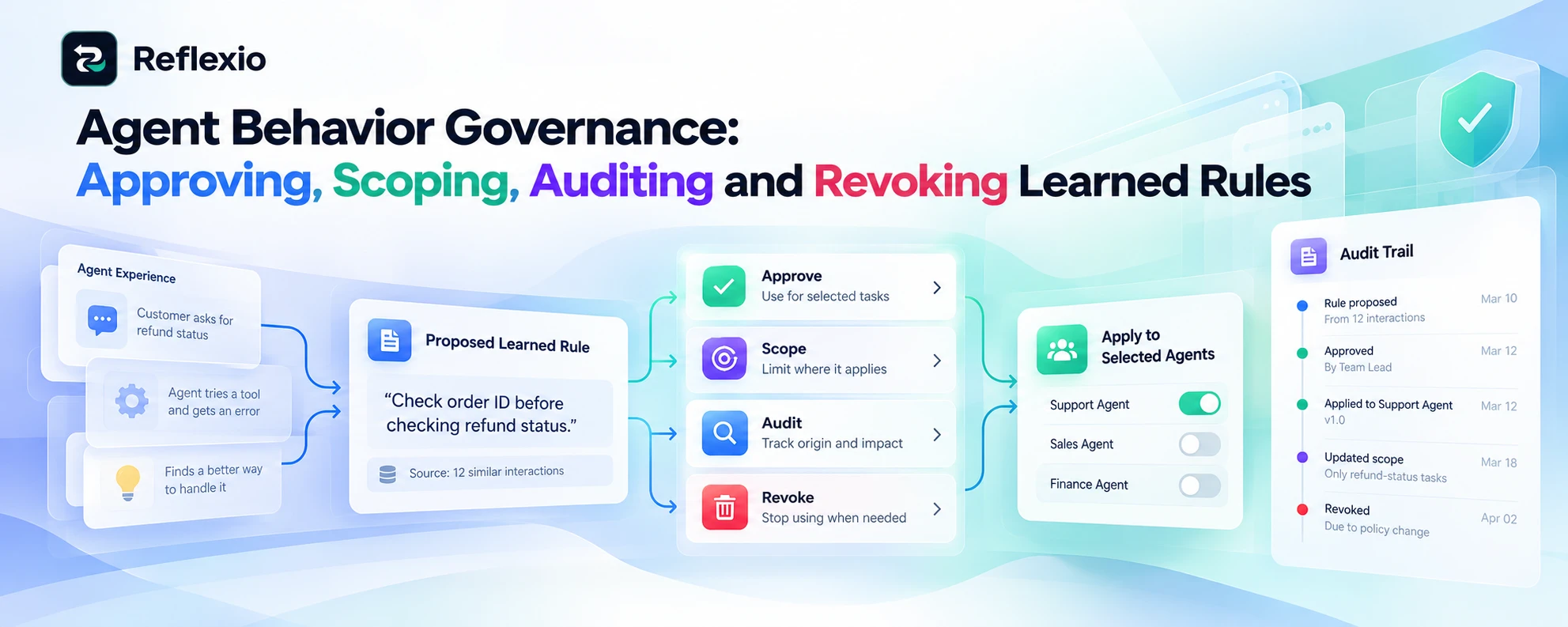
Reflexio helps teams inspect, review, approve, and reject learned rules. It gives AI agents a way to learn from real interactions without changing the model itself. With the right governance controls, teams can keep that learning useful while staying in control of agent behaviour.
Treat Every Learned Rule Like a Change to Production
Imagine a support agent handling refund requests. It learns that retrying a failed request sometimes helps. Later, it starts repeating the same request even when the order ID is wrong.
The lesson was based on real experience, but it was too broad.
This is why teams should review learned rules before allowing them to guide wider agent behaviour. A useful rule needs clear evidence, a defined purpose, and limits on where it applies.
For each proposed rule, teams should ask:
- What happened that led to this lesson?
- What should the agent do differently?
- When should the rule apply?
- What could go wrong if the rule is used in the wrong situation?
- Who is responsible for reviewing it?
Reflexio helps teams inspect the interactions and learnings behind agent behaviour. Its portal also lets teams review, edit, approve, or reject agent playbooks.
This gives teams more control than simply adding every correction to a growing list of instructions.
Build an Approval Workflow That Matches the Risk
Not every lesson needs the same level of review. A lesson about response formatting carries less risk than one that affects refunds, access rights, or financial decisions.
A practical learning approval workflow can follow six steps:
- Capture the interaction. Record what the agent did and how the task ended.
- Create a proposed lesson. Identify the behaviour that could improve future tasks.
- Review the evidence. Check whether the lesson solves a real, repeated problem.
- Check the risk. Consider what might happen if the agent follows the lesson in the wrong situation.
- Approve or reject it. Let the right person decide whether the lesson should be reused.
- Review the results. Check whether the lesson improves later tasks without causing new problems.
For example, a team may accept a lesson about asking clearer follow-up questions with a light review. A lesson that could affect payment decisions should receive closer testing and approval.
Reflexio supports approval and rejection for aggregated agent playbooks. Teams can review these rules before deciding which ones to approve for wider use.
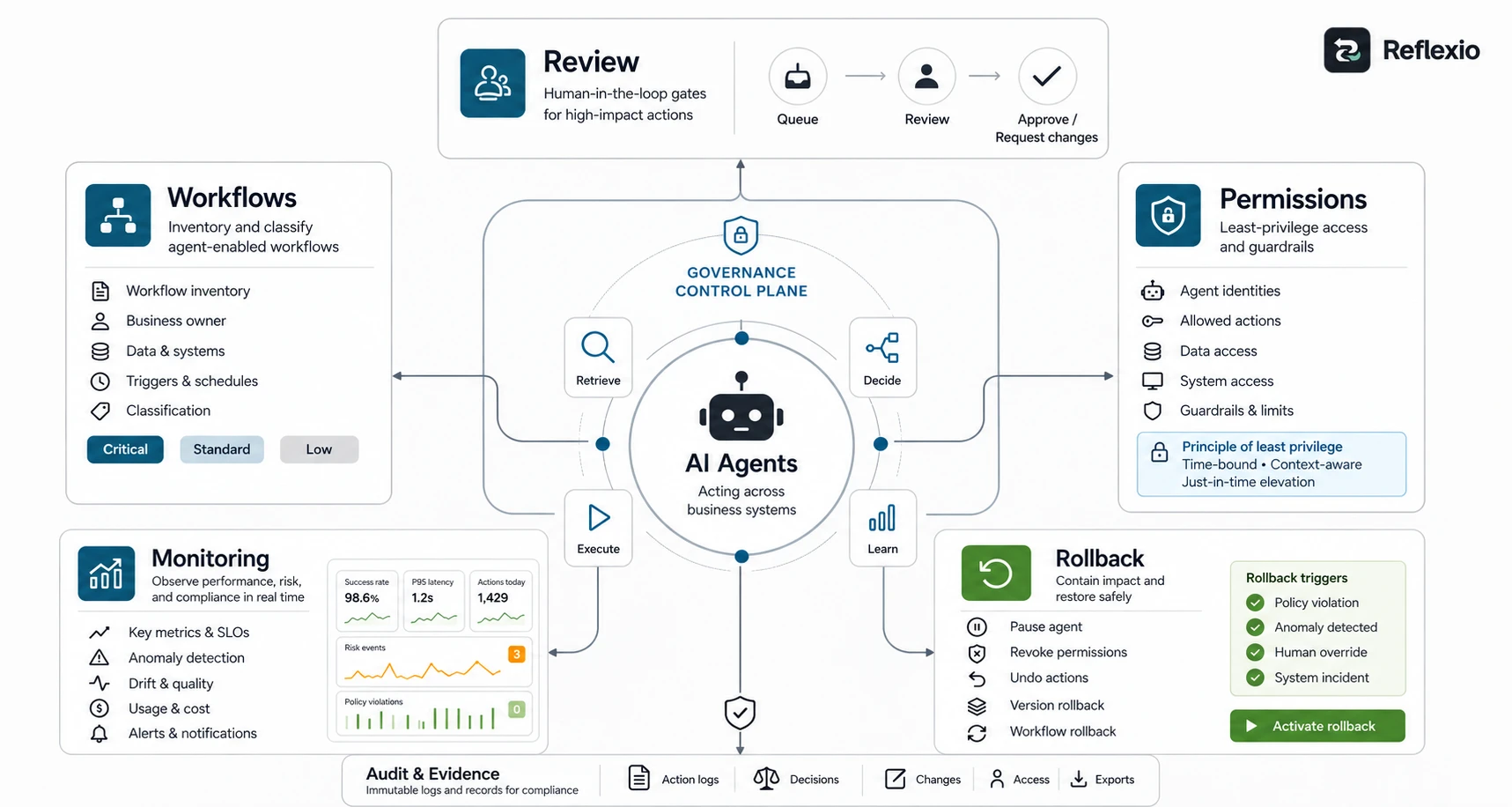
The wider system should still control sensitive actions, permissions, and business rules. As Microsoft's responsible AI guidance explains, review should match the risk, and important agent behaviour needs ongoing oversight.
Scope Rules So One Lesson Does Not Affect Every Task
A lesson can be useful in one situation and harmful in another.
Suppose a support agent learns to check all recent charges before answering a question about an unknown payment. That lesson may help with billing questions. It should not automatically change how the agent handles account access or payment approval.
Teams should define the intended scope of each lesson.
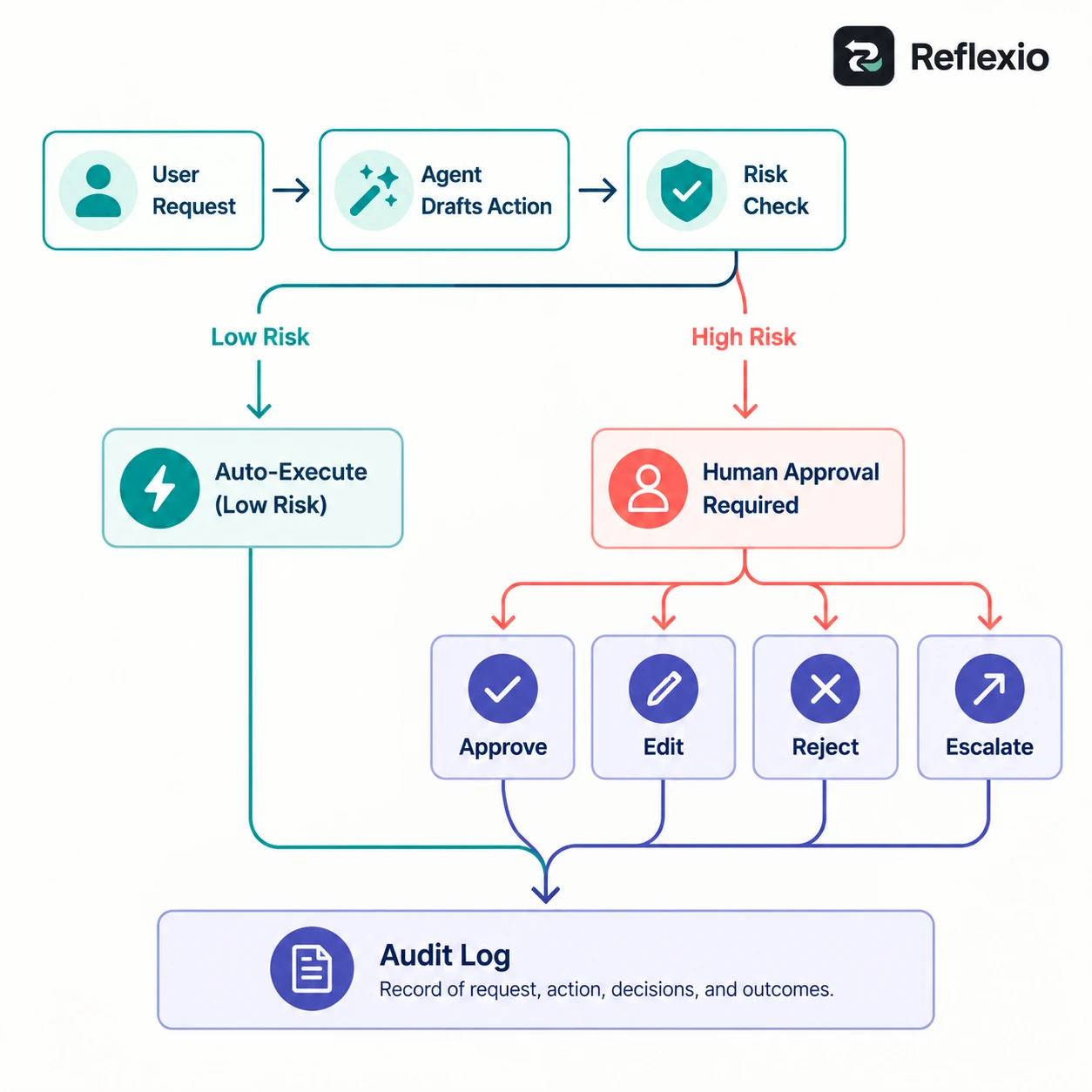
Task scope: What type of request should trigger the lesson?
Agent scope: Which agent should use it?
Condition scope: What details must be present before the lesson applies?
Risk limits: Which actions still require separate checks or human approval?
For example, a rule might say:
When a customer asks about an unknown charge, check the full set of recent charges before responding. Do not issue a refund without the required confirmation.
The rule gives the agent useful guidance without granting new permission to move money.
Reflexio can provide relevant learning to an agent when it handles future tasks. Teams should also make sure their retrieval settings, agent instructions, and access controls keep that learning within the intended boundaries.
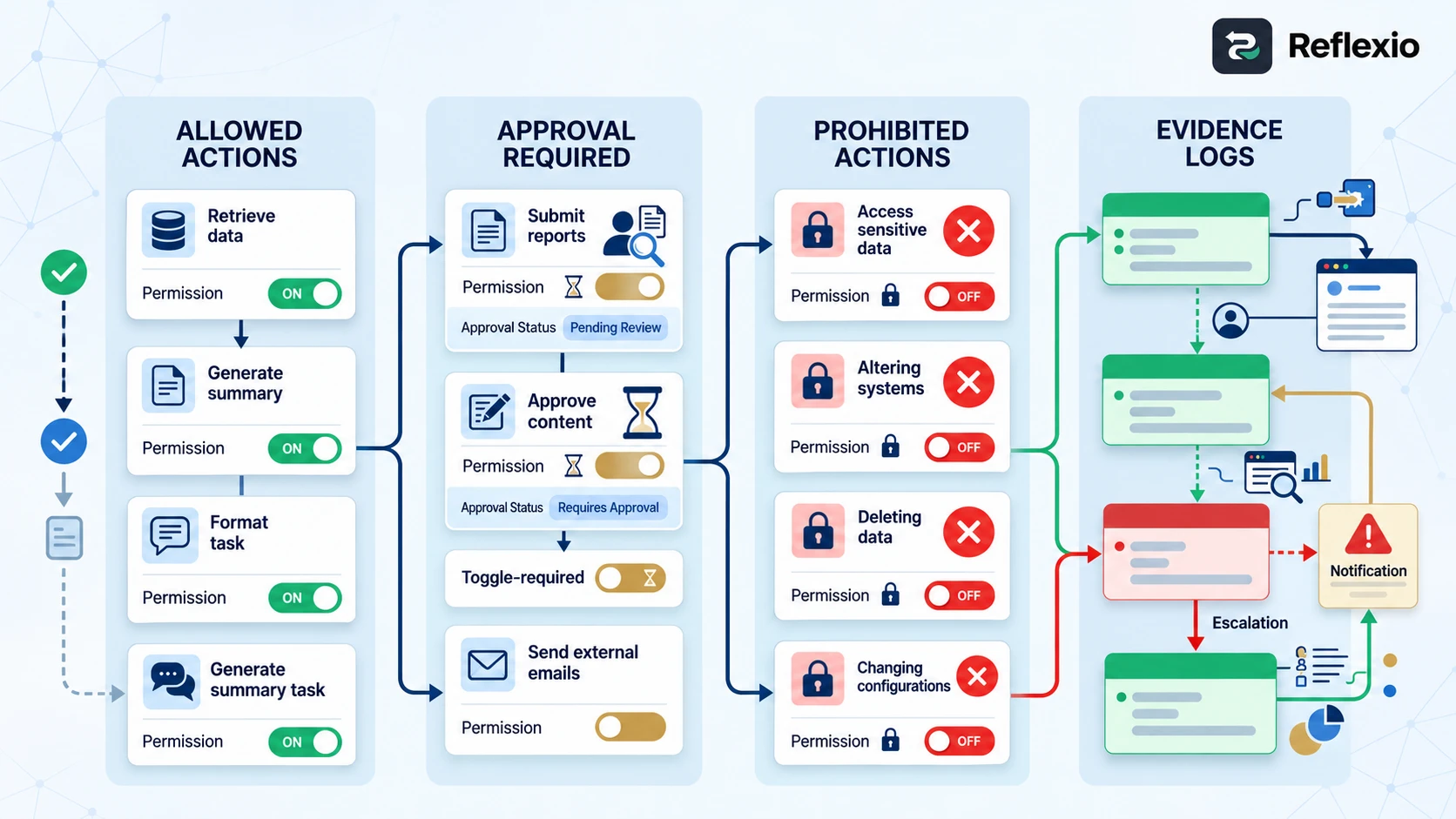
A written rule alone cannot enforce permissions. Those limits must be checked by the systems that control the agent's actions.
Make Every Lesson Easy to Trace
When an agent behaves in an unexpected way, developers need to understand why.
A log may show that the agent called a tool. But the team may also need to know which learned rule influenced that choice and where the rule came from.
This is where learning provenance matters. In simple terms, provenance means knowing the source and history of a lesson.
For important learned rules, teams should be able to find:
- The interaction or correction that led to the lesson
- The lesson's current status and version, where available
- Who reviewed or approved it
- Which tasks or agents it was intended to guide
- The agent runs and results that help show its impact
Reflexio's portal lets teams inspect interactions, review extracted profiles and playbooks, and examine evaluation results. This helps teams connect past experience with the learning produced from it.
For example, if a support agent skips a required check, a developer can inspect the relevant interaction and review the rules available to the agent. The team can then investigate whether the lesson was too broad, outdated, or poorly applied.
For stronger audit needs, teams may also connect learning records to their own application logs and approval records.
Revoke a Harmful Lesson Without Starting Again
Approval does not mean a rule will remain correct forever. Business processes change, tools are updated, and a lesson that once helped can become unsafe.
Suppose a refund process adds a new verification step. An older lesson tells the agent to follow the previous process. Keeping that lesson active could lead to incorrect behaviour.
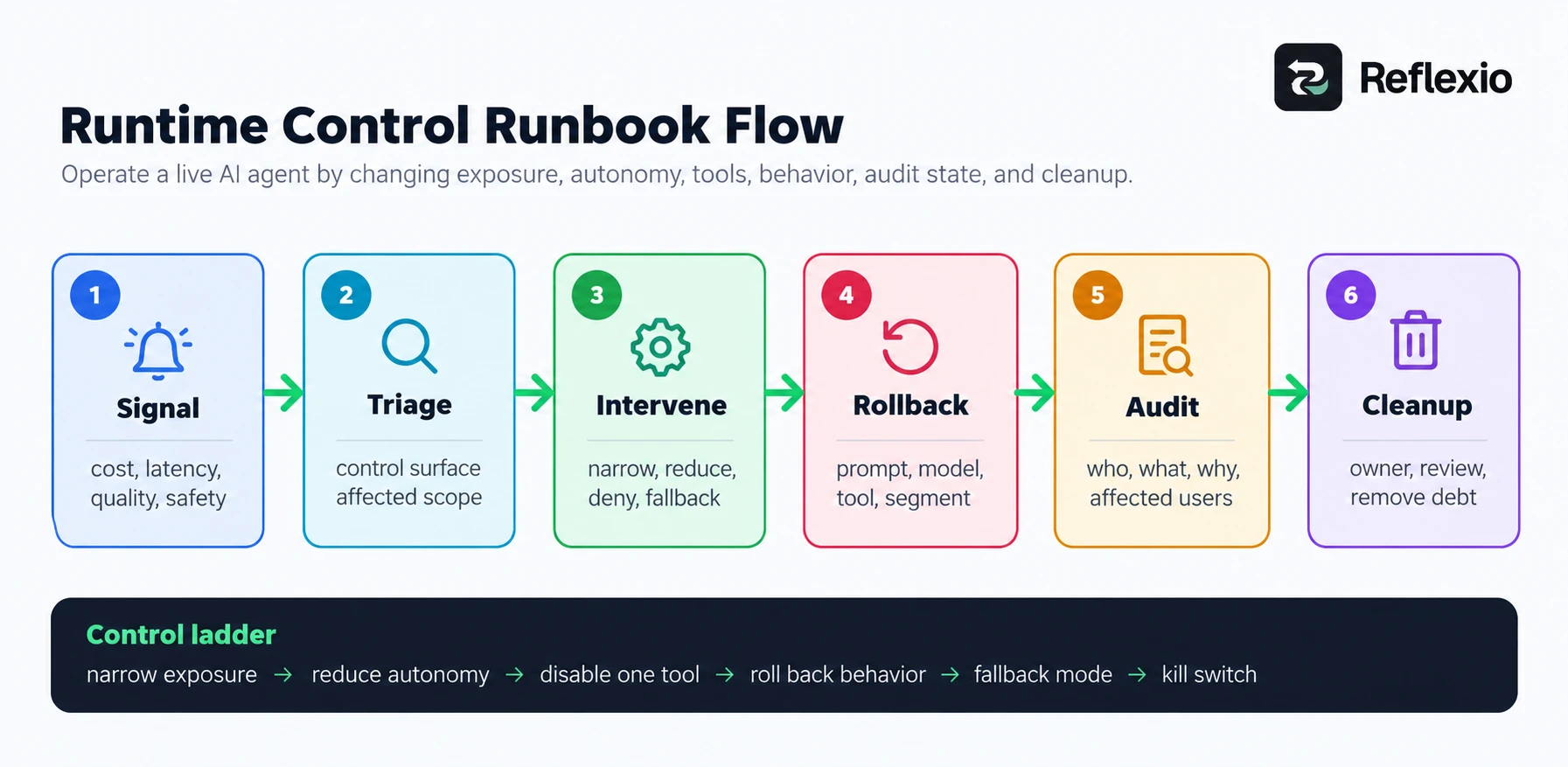
The team should be able to act quickly:
- Find the rule linked to the problem.
- Reject or disable the rule so it is no longer used.
- Correct the lesson or approve a safer replacement.
- Test the original case and related situations.
- Review affected runs and address any actions that need correction.
- Record why the rule was withdrawn.
Reflexio lets teams reject agent playbooks they do not want retrieved. Its documentation describes an approval workflow for agent playbooks, along with tools to inspect and manage them.
Rejecting a lesson is not the same as undoing an action already taken. If an agent has already sent a message, changed a record, or issued a refund, that action may need separate handling.
Teams should also test the replacement rule before relying on it. Removing one bad lesson is only part of restoring safe behaviour.
Keep Governance From Slowing Every Improvement
Too much review can make teams reluctant to use learning at all. Too little review can allow poor lessons to spread.
The answer is to match review effort to risk.
Low-risk lessons may need a quick check. Rules that affect customers, money, private data, or important business decisions need stronger review and testing.
Teams should also separate two different decisions:
- Action approval: Should the agent perform this action now?
- Learning approval: Should this lesson guide future tasks?
These decisions serve different purposes. A person may approve one refund without approving a general rule for future refunds.
Tools such as LangChain's human-in-the-loop workflow show how teams can pause certain agent actions for human review. Learning governance adds another layer by reviewing the lessons that may shape later behaviour.
Reflexio supports the learning side of this process by making extracted rules visible and allowing teams to approve or reject agent playbooks. This helps teams keep learning useful without treating every new lesson as automatically trustworthy.
For more on consistent agent behaviour, explore CREAO and repeatable agent execution.
Let Agents Learn Without Losing Control
Self-improving agents need more than the ability to learn. They need clear limits on how that learning is used.
Teams should review important lessons, define where they apply, keep useful records, and remove rules that no longer serve their purpose.
Reflexio provides a learning layer that helps agents turn real interactions into reusable behaviour. Its review tools help teams inspect and manage the rules their agents learn, while the wider system remains responsible for permissions, action checks, and other safety controls.
Explore Reflexio or its open-source AI agent self-improvement project to see how learning can become part of a more controlled approach to agent improvement.